
Direct Answer
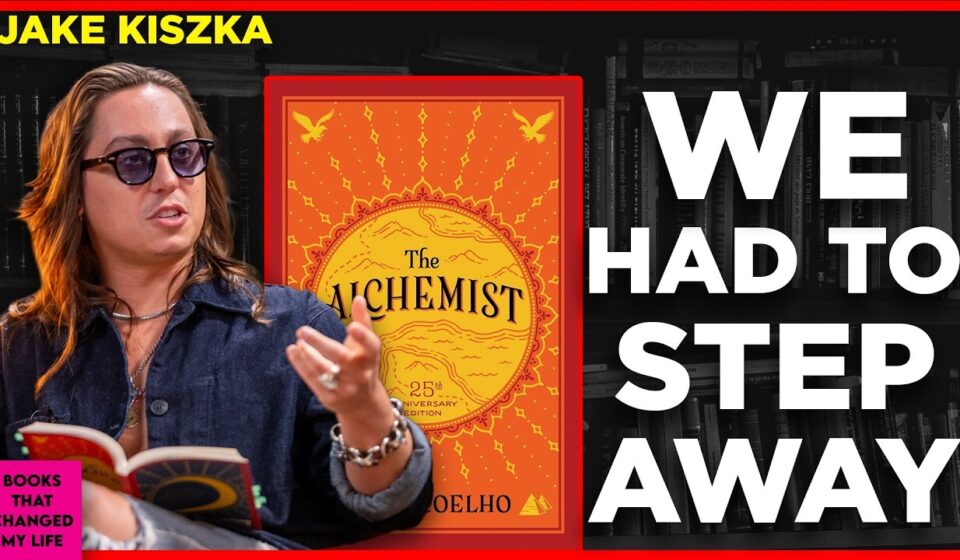
Paulo Coelho’s The Alchemist shaped Jake Kiszka by giving him a philosophical compass during Greta Van Fleet’s rapid rise. Its ideas about personal legend, self-permission, and confronting fear helped him claim an artistic purpose and understand music as a form of personal alchemy.
This version examines the story through creative identity while preserving Kiszka’s central lesson: a meaningful path begins when you stop waiting for someone else to authorize it.
Creative Identity Is Claimed Before It Is Confirmed
Rapid attention can make an artist feel defined by headlines, comparisons, or audience expectations. Jake Kiszka found a different frame in The Alchemist: creative identity begins with an internal commitment, not a public vote.
That matters for musicians because success creates pressure to repeat what already worked. A personal legend gives the artist a direction that exists before applause and survives after it.
How Jake Kiszka Found The Alchemist
Kiszka left Michigan as a teenager and quickly entered a world of international touring and sudden recognition. Music executive Mark Geiger recommended Paulo Coelho’s 1988 novel The Alchemist during that intense transition.
The book became more than entertainment. Its story of Santiago searching for a personal legend helped Kiszka ask who he wanted to become while the outside world was rapidly assigning him an identity.
Unlocking Personal Legend and Giving Yourself Permission
For Kiszka, the core message of The Alchemist is that purpose requires self-authorization. Walking onto a stage in front of 20,000 people meant confronting uncertainty and claiming the role before fear disappeared.
How to Use 3D Graphs in Apple Math Notes
A practical guide to interactive 3D equations, folders, tags, Smart Folders, and Markdown export on iPhone.
“Why are you the alchemist? Because I say I’m the alchemist… You give yourself permission to do it.” — Jake Kiszka
That interpretation makes personal legend practical. A person defines the path, accepts the risk, and then does the work required to inhabit it.
Key Takeaways From the Discussion
- The power of self-permission: Creative realization begins when people stop waiting for outside authority to validate an identity.
- Confronting the fear of suffering: Anticipated failure is often more painful than the actual leap, and letting fear decide can block potential.
- Art as personal alchemy: Honest creation transforms raw emotion into meaning that listeners can recognize in their own lives.
How The Alchemist Reframed Fear
Kiszka notes that fear of failure or suffering is often worse than the experience. The lesson helped him approach large stages and creative uncertainty as part of the journey rather than proof that he should turn back.
The Alchemist therefore became a guide for action: choose the path, meet the unknown, and allow the process to reveal what the work can become.
Building self-reliance and channeling internal drive requires a conscious mindset shift. For another perspective on spiritual grounding and living with intentional love, see why Tiffani Thiessen loves The Seat of the Soul to learn how positive energy and clarity can guide personal growth.
Frequently Asked Questions
What book changed Jake Kiszka’s life?
Paulo Coelho’s internationally acclaimed novel The Alchemist.
How did The Alchemist help Jake Kiszka handle early fame?
It gave him a grounding philosophy during Greta Van Fleet’s rapid success and helped him think more deeply about identity, purpose, and fear.
What is Jake Kiszka’s interpretation of personal legend?
He sees it as taking responsibility for your potential, overcoming internal fear, and giving yourself permission to become who you want to be.
Watch the Full Conversation
Watch the full interview with Jake Kiszka on our official YouTube Channel to hear his thoughts on music, personal destiny, and Greta Van Fleet’s album Palace for the People.
Bottom Line
The Alchemist gave Jake Kiszka a durable way to understand destiny during a disruptive rise to fame. Paulo Coelho’s fable helped him claim an artistic identity, face uncertainty, and turn private emotion into music with universal resonance.
If you are looking to build emotional resilience, take control of your decisions, and lead your life with intention, the I AM LEADER Book Set offers structured blueprints to help you cultivate deep empathy, clarify your purpose, and unlock your leadership potential.
Related reading on onfrontmedia.com: How creativity shapes identity and meaning; A mindset for personal growth without waiting.