Direct Answer
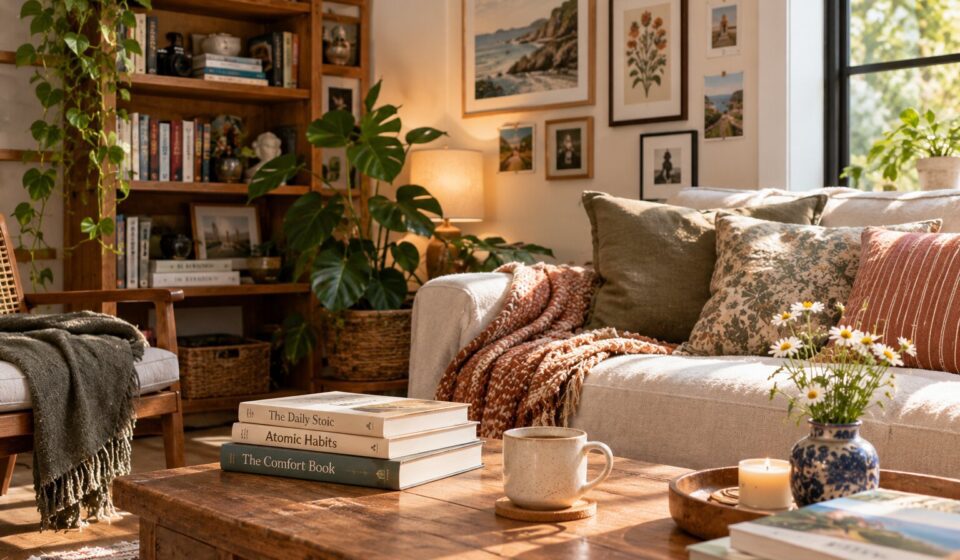
Lived-in spaces are replacing rigid minimalism because many people want homes that show personal history, daily routines, books, collected art, and comfortable objects. The goal is not clutter. It is a balanced interior that feels useful, welcoming, and shaped by the people who live there.

Identity Is Replacing Showroom Perfection
The shift toward lived-in spaces is partly a rejection of rooms designed mainly for photographs. A home can be visually calm and still show evidence of hobbies, relationships, travel, work, and daily routines.
The useful question is not whether every object matches. It is whether the room reflects the people who use it while remaining comfortable and functional.
Why Picture-Perfect Interiors Are Losing Appeal
Minimalism can make a room feel open, but an extremely controlled interior may also feel impersonal. Lived-in spaces allow secondhand art, family photographs, paperbacks, handmade objects, and furniture with visible history to remain part of the room.
The purpose is not to fill every corner. It is to let useful and meaningful belongings support comfort, identity, and belonging.
How to Make a Space Feel More Personal
Let Books Become Part of the Decor
Keep favorite or current books where they can be used. Shelves, baskets, bedside stacks, and coffee tables can display reading interests without requiring every spine to be arranged the same way.
Choose Art With a Story
Mix old prints, travel postcards, photographs, illustrations, and thrifted frames. A gallery wall can feel coherent through balance and spacing even when its pieces are different.
Why Are Women Building Portfolio Careers?
A practical guide to combining income streams, creative work, and flexible roles without turning freedom into burnout.
Mix Textures Instead of Matching Everything
Natural materials such as linen, wool, wood, ceramic, and woven fibers often work well together. Texture adds warmth without demanding more decorative objects.
Leave Some Room to Breathe
Open surfaces help meaningful belongings remain visible. Display a few objects, store the rest, and rotate them when the room needs a change.
A home that feels comfortable can also make it easier to slow down and enjoy the things you love, whether that’s reading about soft ambition or simply taking a quiet break at the end of the day.
Create a Home That Works for Everyday Life
Start with how each room is used rather than how it should look in a photograph. A workspace may need focused lighting and accessible notes. A reading area may need a supportive chair, a lamp, and a small surface. Lived-in spaces work best when layout and storage support real behavior.
Research on home clutter and well-being suggests that perceived beauty and comfort may help explain how the home environment relates to psychological experience. That does not mean a house must be spotless. It means the balance between personal belongings and usable space matters.
Audit a Room for Identity and Use
Photograph the room from the doorway, then mark which objects communicate identity and which support a daily activity. A family photograph may do the first job; a lamp beside a reading chair may do both.
Next, identify visual noise that serves neither purpose. Removing those items creates breathing room without erasing personality. This identity-and-use audit helps lived-in spaces feel intentional rather than staged or crowded.
Finish by choosing one unfinished corner and giving it a real function. A small table, useful light, and one meaningful object can turn dead space into part of the home’s story.
Frequently Asked Questions
What is a lived-in interior style?
It is an approach that makes room for comfort, personal belongings, collected art, books, family photographs, vintage pieces, mixed textures, and everyday use.
How do I create a gallery wall that does not look too uniform?
Use art and photographs you genuinely like, vary frame sizes and finishes, and test the arrangement on the floor before hanging it.
Can a messy bookshelf still look good?
Yes. Mix vertical and horizontal stacks, leave some open space, and keep the shelves usable. Edit them when objects become difficult to reach or maintain.
Does home decor affect your mood?
Surroundings can influence comfort and distraction, although preferences differ. Notice whether open surfaces, books, art, texture, or personal collections help you relax and function well.
Final Thoughts
A home does not need to look untouched to be beautiful. Lived-in spaces succeed when the book read three times, the market painting, the old chair, and the practical storage system make everyday life feel more personal and enjoyable.
Further Reading for the Soul
- Why Do Women Crave Comfort Fiction?
- How The Seat of the Soul Influenced Tiffani Thiessen
- Related reading on onfrontmedia.com: home-office ideas for rooms that support daily work; smart-home controls for a more functional living space.